.png?w=auto&h=400)
About Solo Trekking
Best Treks for Solo Trekking in Himalayas
The Nag Tibba trek is a beginner-friendly solo trek that takes you to an elevation of 9,910 feet. The trek begins in Dehradun, where you will drive to Pantwari before starting a 4-km hike to the Nag Tibba Base Camp. The following day, you'll have to hike another 7 km to reach the lovely Nag Tibba summit. You'll get to see several majestic peaks along the way, including Bandarpoonch, Kedarnath, Gangotri, and Swargarohini. On the second day of the trek, you can add a spiritual touch by visiting the Nag Tibba temple.
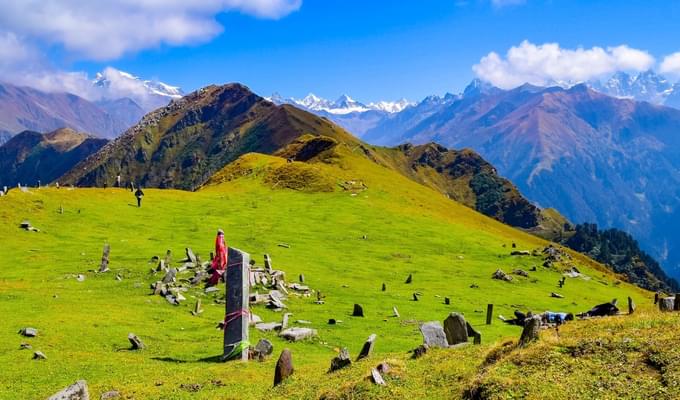
The Chanderkhani Pass trek is one of the most popular destinations to experience solo trekking in the Himalayas. It's a moderately difficult trek that ascends to 12,008 feet and provides breathtaking views of snow-clad peaks, including Deo Tibba, Parbati, Bara Bhangal, and Pir Panjal. The journey begins in Naggar's Rumsu village and continues to the Nauya Tapru base camp, the Chanderkhani Pass, and finally the Malana village. The surrounding nature and serenity will captivate you throughout this 3-day and 19 km journey.
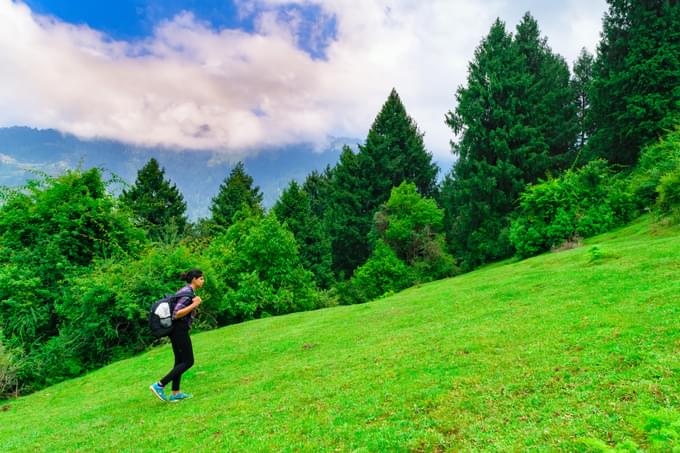
Prashar Lake is your best option if you want to go solo trekking and are looking for beautiful scenery. The 8,956-foot-high Prashar Lake is the perfect starting point for novice trekkers. The alluring sight of the Pir Panjal, Kinnaur, and Dhauladhar ranges stuns you when you reach the summits. This two-day hike starts in Baggi and passes through extensive oak and pine forests. The route is simple, has a gradual ascent, is covered in blooming flowers and greenery in the summer, and has perfect snow in the winter.
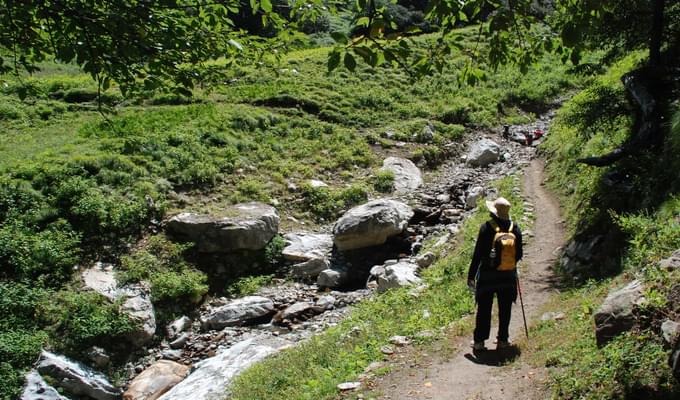
Kheerganga is a low-altitude (9,700-foot) trek known for its scenic beauty and hot springs. It's easy trekking level and short distance make it an excellent choice for solo trekkers. It begins in Kasol and travels through the charming villages of Nakhtan and Rudra Nag, which are also excellent places to rest and explore. This trek will teach you a lot about the Himalayan people's customs and culture. You will enjoy the surroundings at the summit as well as relaxing in the ParvatiKund, a natural hot spring.
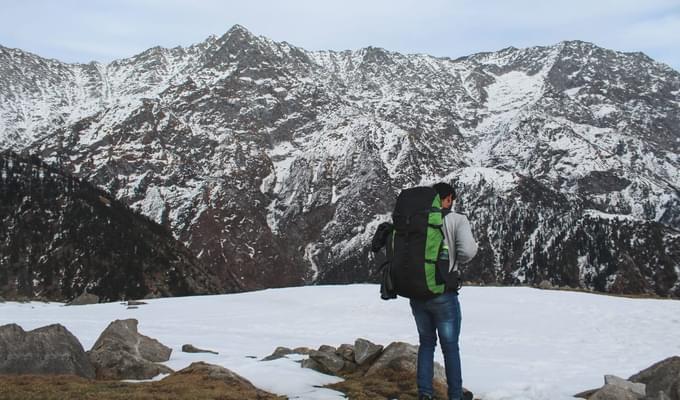
The Triund Trek is one of the easiest treks (9350 ft) to go solo in the Himalayas. It is also amazingly picturesque, offering breathtaking vistas of the Kangra valley and the snow-capped Dhauladhar ranges. Although the trek to Triund is short (10 km) and steep, the scenery along the rhododendron and oak trees makes it worthwhile. The forest along the trail is home to songbirds, making it a bird watcher's paradise. Pick one of the bases from Dharamkot, McLeodganj, Bhagsu, or Gallu to begin the Triund trek and enjoy two days of unforgettable experiences.
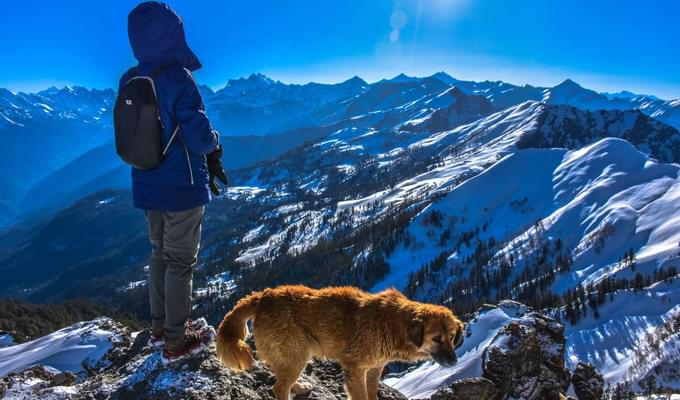
Kedarkantha is a highly sought-after winter trek known for its breathtaking beauty. Beginners and solo hikers in Uttarakhand prefer it for its simple endurance. The trail winds through the dense pine forest of Govind National Park, providing a peaceful setting. The views make the ascent to the summit's elevation of 12,500 feet worthwhile. When you reach the summit and see the Himalayan mountain ranges, you feel a strong sense of accomplishment and fulfilment. It's truly an incredible experience.
How to Prepare For Solo Trekking
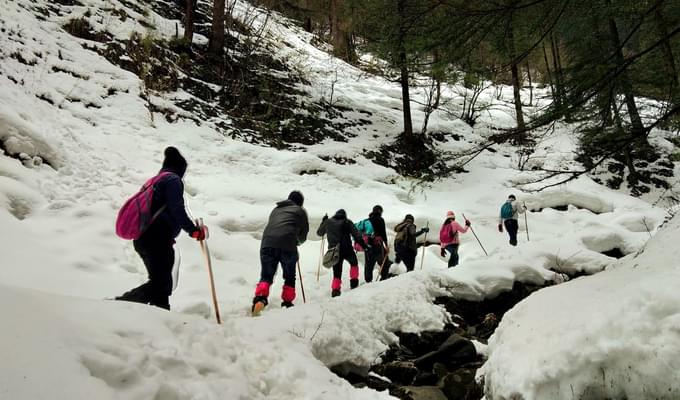
When you go on a solo trek, you walk for an extended period of time, make all of the decisions, and complete all of the tasks by yourself. Begin by going on short hikes to gain experience and learn the basics of solo trekking. A two-day trip is an excellent way to test your solo trekking abilities. The short treks will teach you how to pack properly and perform other tasks on your own. Gradually increase the duration to three days as you gain experience, and so on. With practice, you'll become more adept at hiking alone. You will learn solo trekking tips and be able to undertake longer and more difficult treks.
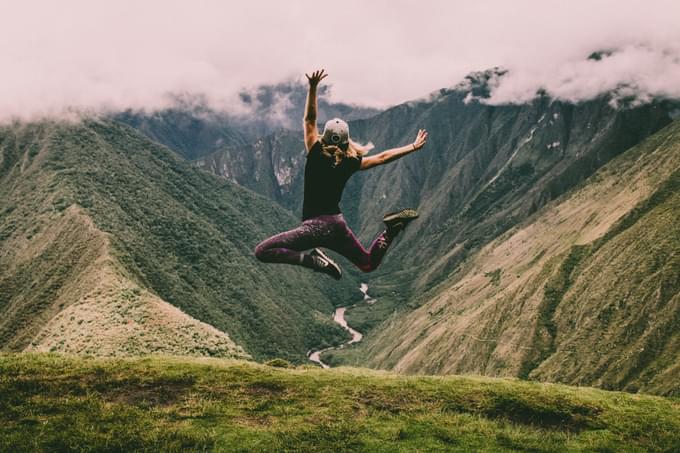
Trekking requires a certain level of fitness as you walk long distances, cross uneven terrain and rivers, climb rocks, and perform other tasks. When you choose solo trekking in Himalayas, you have to be very sure about your stamina and fitness. You will be doing everything on your own, such as setting up camp, carrying water from sources, digging a cathole for yourself, cooking, and cleaning up. You must be both physically and mentally fit to successfully perform all of this. Before you actually start the journey, you can build up this strength and stamina through a consistent fitness regimen and by practising walking while wearing a backpack.
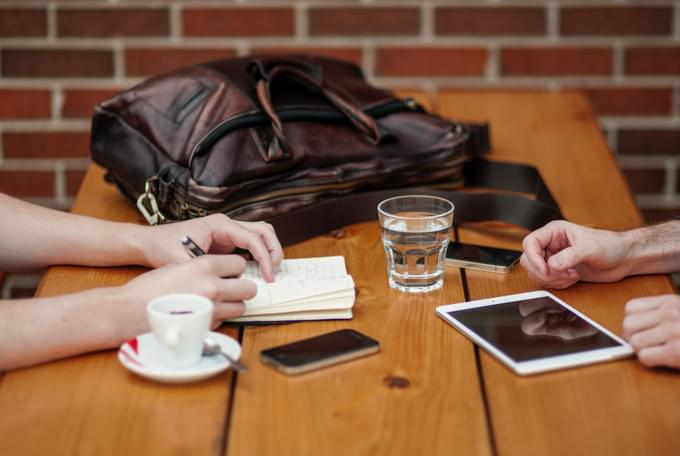
Make sure to pack all the important documents and permits you will need for your trek when you prepare for solo trekking in the Himalayas. While permits and permissions are generally not a problem when trekking in India, there are a few locations where a Protected Area Permit (PAP), an Inner Line Permit (ILP), or permission from the forest department or local police is necessary. When applying for a trekking permit or Inner Line Permit, you might be asked to provide the original and copy of your government photo ID, a disclaimer certificate, a medical certificate, and passport-size photos. Remember to pack them in a waterproof, secure pouch to ensure their safety during your journey.
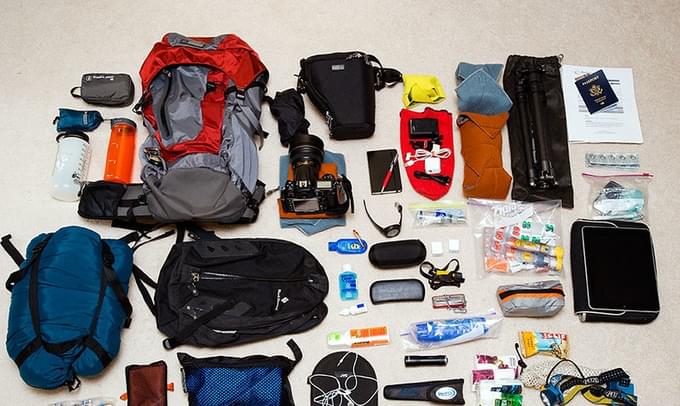
When going on a solo trek, you must have the proper trekking equipment. A waterproof backpack and hiking boots are essential. However, you will also need a tent, a sleeping bag, and a stove in your trekking equipment kit. Consider renting them if you don't already have them. Make sure to get instructions on how to use the equipment from professionals or with the aid of videos. You'll also need dehydrated food for your solo trek, and you must know how to cook your meals. Packing the right gear is one of the most crucial solo trekking tips to remember for a memorable journey.
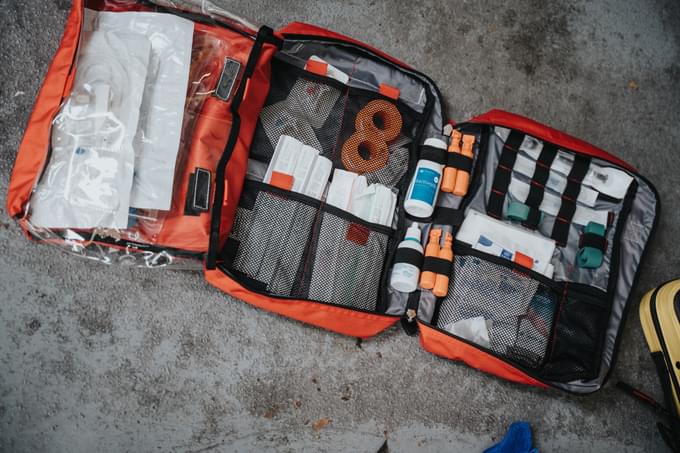
Medication and a first-aid kit are essential during a trek. If you regularly take medication, don't forget to pack it with you. If you are unsure of which medications to carry, seek a doctor's advice. Learn about basic lifesaving and basic first aid through a course before starting your solo trek. It is one of the most crucial solo trekking tips that you understand altitude sickness, its various symptoms, and how to treat it at very high altitudes. If you plan to go solo trekking in the Himalayas, ignorance of high-altitude sickness and other medical problems can be fatal. Therefore, familiarise yourself with all of these to prevent any issues during your solo trek.
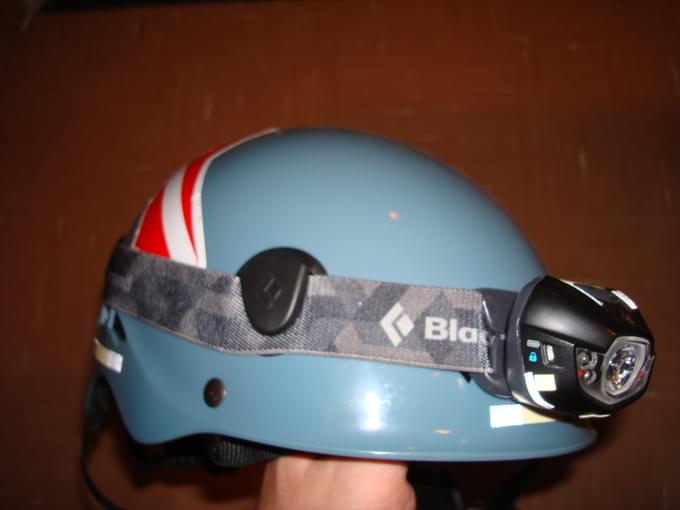
Travelling light is one of the most important solo trekking tips that you must know before starting your journey. Since you'll be carrying all of your load by yourself and there won't be anyone to lend a hand, you need to be very careful while packing for your trip. A heavy backpack will not only slow you down but could cause soreness. Sort out the essential items you'll need for your trek and bring only those. Pack lightweight clothing, and warm layers for cold climates, waterproof layers, ready-to-eat food, and reusable items to reduce your load.
How to Be a Responsible Solo Trekker?
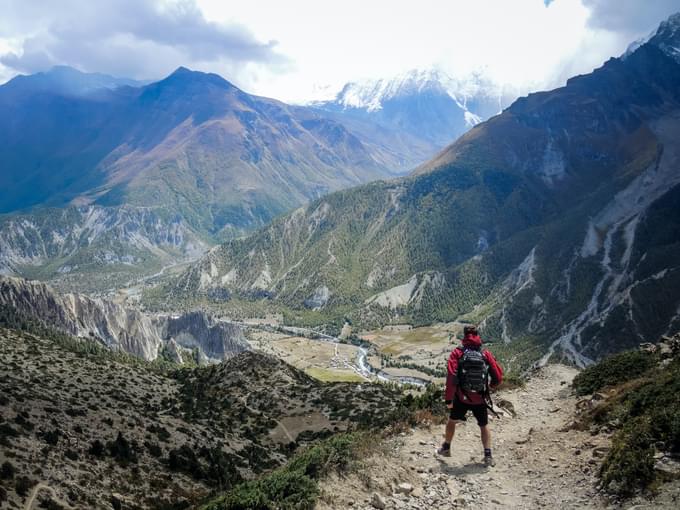
- Carry the least amount of plastic possible, and keep an extra bag for any extra plastic or paper waste you may produce so you can dispose of it sustainably when you get back.
- Look for existing campsites and use them rather than building new ones. This preserves the pristine state of nature.
- Campfires should not be used because uncontrolled fires can be dangerous, especially in forested areas.
- Avoid washing yourself, your clothes, or your utensils in a water body. Take the water a minimum of 100 to 200 feet away from the source.
- Dig a 6-inch-deep cathole 100 feet away from water sources, camping areas, and hiking trails. Put mud on it and mark it with twigs or leaves to deter others.
- Don't take items as souvenirs out of their natural habitat.
- Avoid disturbing nearby wildlife or other hikers.
Know Before You Go Solo Trekking
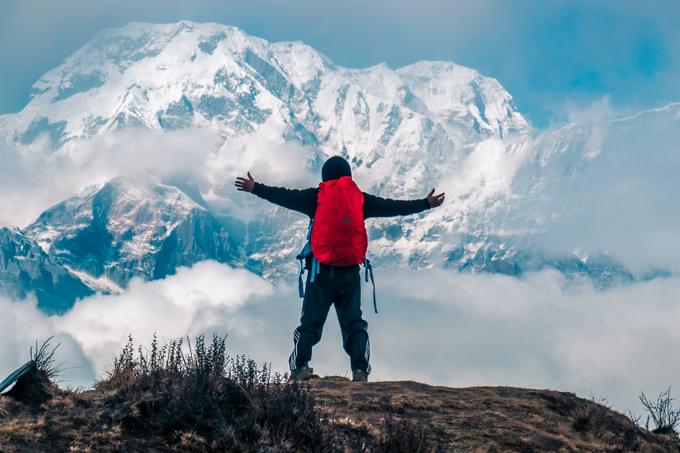
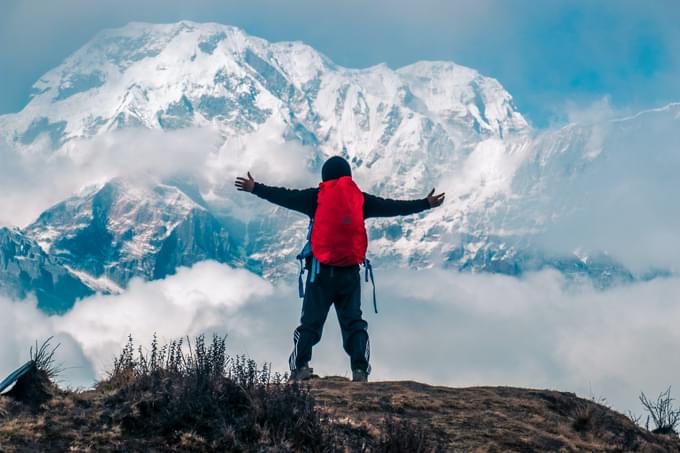
- You need to care for and motivate yourself on your own while trekking alone because there will be no one else present to do either for you.
- When trekking alone, you must plan your own route, set up your campsite, prepare your meals, and carry all of your gear.
- You must be cautious when travelling and take care of your belongings and your money because safety is one of the most significant challenges when trekking alone.
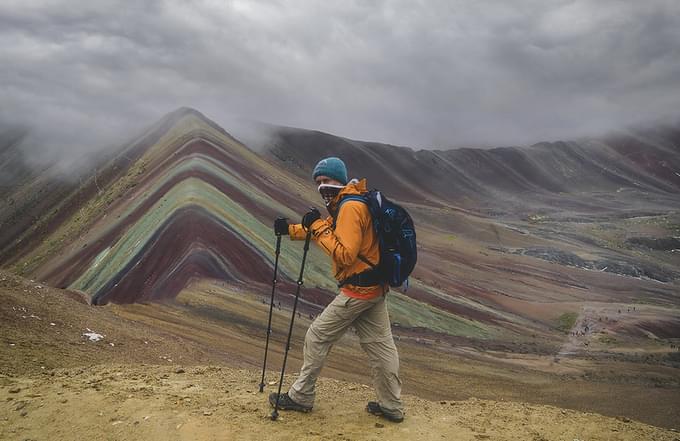
- You'll learn more about your abilities, stamina, and strengths. You will discover your true self and get ready for more tough treks and adventures.
- Trekking alone gives you the freedom to choose your own pace and path.
- While solo trekking, you will be in the open all by yourself and will be able to judge your strengths and weaknesses and learn new aspects about your personalities.
Conclusion